

Meet Our Lecturers
Maria Lewicka
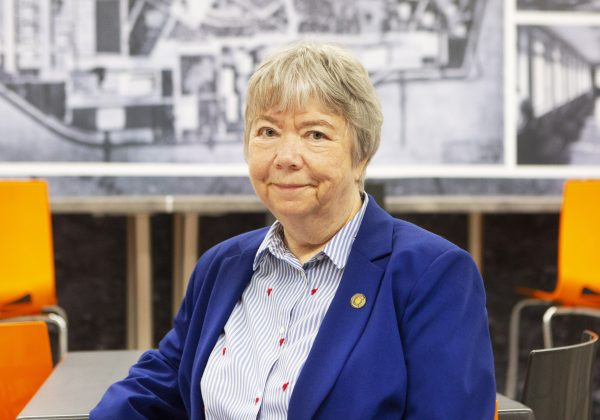 Maria Lewicka is Professor of Social and Environmental Psychology at the Institute of Psychology, Nicolaus Copernicus University in Toruń, Poland. She pioneered psychological research in Poland on the relationship between people and their physical environment. Her research focuses on place psychology, place attachment, local identity, and the social memory of place. In 2023, she was awarded the Prize of the Foundation for Polish Science – often referred to as the „Polish Nobel Prize” – for her pioneering research on place attachment and the memory of place. While at the University of Warsaw, Professor Lewicka established Poland’s first specialization in environmental psychology for psychology students. This initiative is now continued at Nicolaus Copernicus University in Toruń. She also has extensive experience in organizing international summer schools. In 1994, she co-organized the Summer School of the European Association of Social Psychology in Serock, Poland. She later co-organized two international summer schools for students and doctoral researchers from Poland, Ukraine, and Belarus (Przemyśl, 2002; Wrocław, 2005). She is the academic coordinator of the YUFE Summer School in Social and Environmental Psychology.
Fátima Bernardo
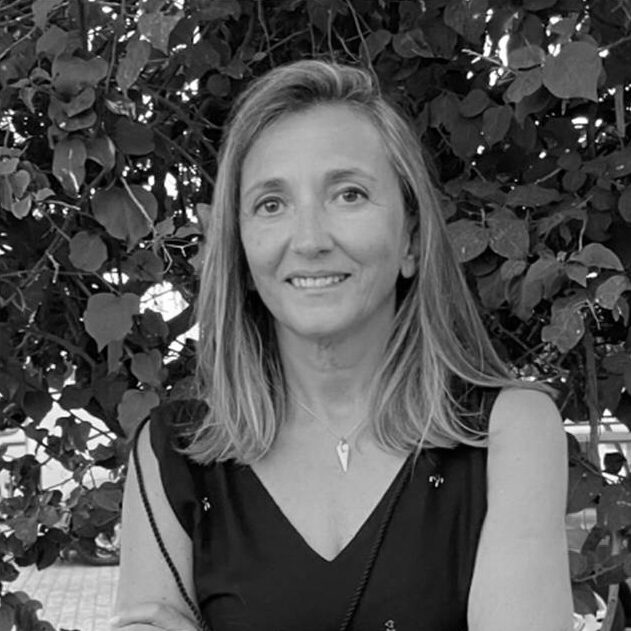 Fátima Bernardo is a Professor of Social and Environmental Psychology at the Department of Psychology of the University of Évora (Portugal). For more than two decades, she has been conducting research and teaching in the fields of social and environmental psychology and intergroup relations. Her research interests focus primarily on place identity, place attachment, intergroup relations, risk perception, and pro-environmental behavior. She is the author of numerous publications on the psychological relationship between people and places, including studies on the role of place identity in intergroup relations and attitudes towards environmental change. She is also a researcher affiliated with the CITUA – Center for Innovation in Territory, Urbanism and Architecture at the University of Lisbon and a member of the International Association for People-Environment Studies (IAPS).
Orsolya Vincze
 Orsolya Vincze is an Associate Professor and Head of the Department of Social and Organizational Psychology at the University of Pécs (Hungary). She also leads the Narrative Psychology Research Group. Her research interests focus on narrative psychology, collective memory, social representations of history, and national identity. In her research, she examines how individuals and social groups construct narratives about the past and how historical narratives shape intergroup relations, collective victimhood, and social identity. She is a co-developer of the Narrative Categorical Content Analysis (NarrCat) method, a computer-assisted approach to analyzing the psychological content of narratives. At the University of Pécs, she teaches courses on narrative psychology, collective memory, social representations, cognitive social psychology, and group dynamics.
Adrian Wójcik
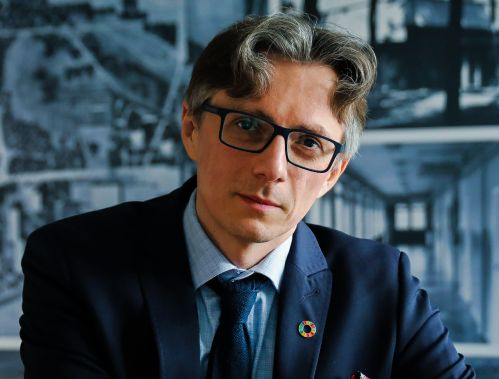 Adrian Wójcik is an Associate Professor at the Institute of Psychology, Nicolaus Copernicus University in Toruń (Poland). He is a social and environmental psychologist whose research focuses primarily on conservation psychology, collective memory, and cross-cultural research methodology. In his work, he investigates the psychological mechanisms underlying pro-environmental behavior, as well as the role of historical memory and different ways of understanding history in shaping social attitudes and intergroup relations. Alongside his academic research, he collaborates with organizations working in environmental protection and science communication. He serves on the scientific boards of the Institute of Environmental Protection and the Polish Climate Coalition.
Tomasz Jarmakowski
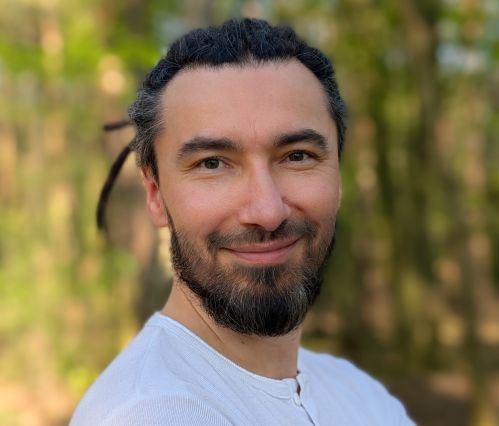
Tomasz Jarmakowski is an Assistant Professor at the Institute of Psychology, Nicolaus Copernicus University in Toruń (Poland). He is a social psychologist whose research focuses primarily on the psychology of morality and political psychology. In his research, he examines the psychological mechanisms underlying moral judgments and social trust, as well as the impact of social and economic factors on human behavior. He is particularly interested in the moralization of everyday behaviors, the psychological foundations of political conservatism, and the consequences of material deprivation. At Nicolaus Copernicus University in Toruń, he teaches courses on social psychology, the psychology of emotions, moral psychology, and research methodology.
Artur Mikiewicz
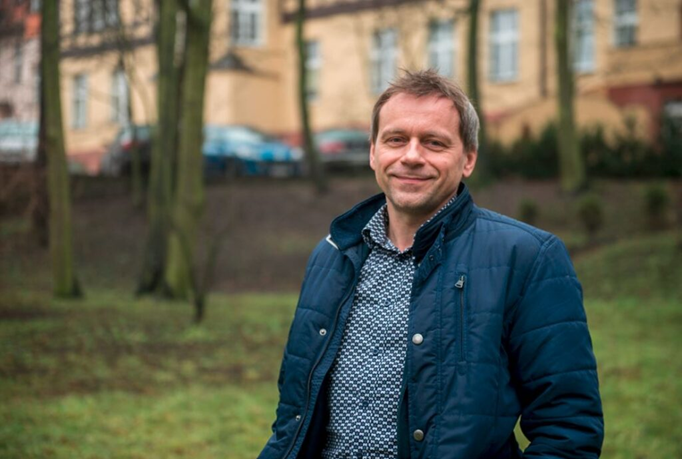 Artur Mikiewicz is an Assistant Professor at the Institute of Educational Sciences, Nicolaus Copernicus University in Toruń (Poland), and a social psychologist. His research focuses on the social psychology of education and the psychosocial determinants and consequences of educational success. In his work, he examines teacher–student relationships, the social perception of teachers, and the role of social and emotional competencies in educational settings. He is the author and co-author of numerous publications in educational psychology and has coordinated scientific initiatives focused on developing social and emotional competencies in schools. At Nicolaus Copernicus University in Toruń, he teaches courses in social psychology, the psychology of communication, educational psychology, and introductory psychology.
Mateusz Strzałkowski
 Mateusz Strzałkowski is an Assistant at the Department of Social and Environmental Psychology, Institute of Psychology, Nicolaus Copernicus University in Toruń (Poland). He is an environmental and social psychologist whose research focuses on environmental psychology, the psychology of architecture, place psychology, and the social aspects of urban planning. In his research, he examines public acceptance of changes in urban environments, place attachment, and the role of aesthetics, taste, and visual culture in shaping people’s perceptions of their surroundings. He is also interested in public participation and environmental protection. In addition to his academic work, he has extensive experience coordinating participatory processes and social needs assessments in collaboration with local governments and non-governmental organizations.
Michał Główczewski
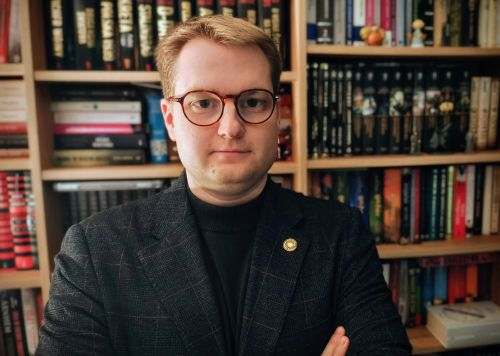 is an Assistant Professor at the Institute of Psychology, Nicolaus Copernicus University in Toruń (Poland). He is a social psychologist whose research focuses on collective memory, social representations of history, national identity, and the psychological consequences of historical narratives. In his work, he examines how different ways of understanding the past shape intergroup relations, political attitudes, and support for memory policies. He is also interested in collective narcissism, historical victimhood, and the role of history in social identity. At Nicolaus Copernicus University, he teaches courses in social psychology, psychology of justice, and social memory. He serves as the organizational coordinator of the YUFE Summer School in Social and Environmental Psychology and a student mentor.